
Does PRP increase overall hair count?
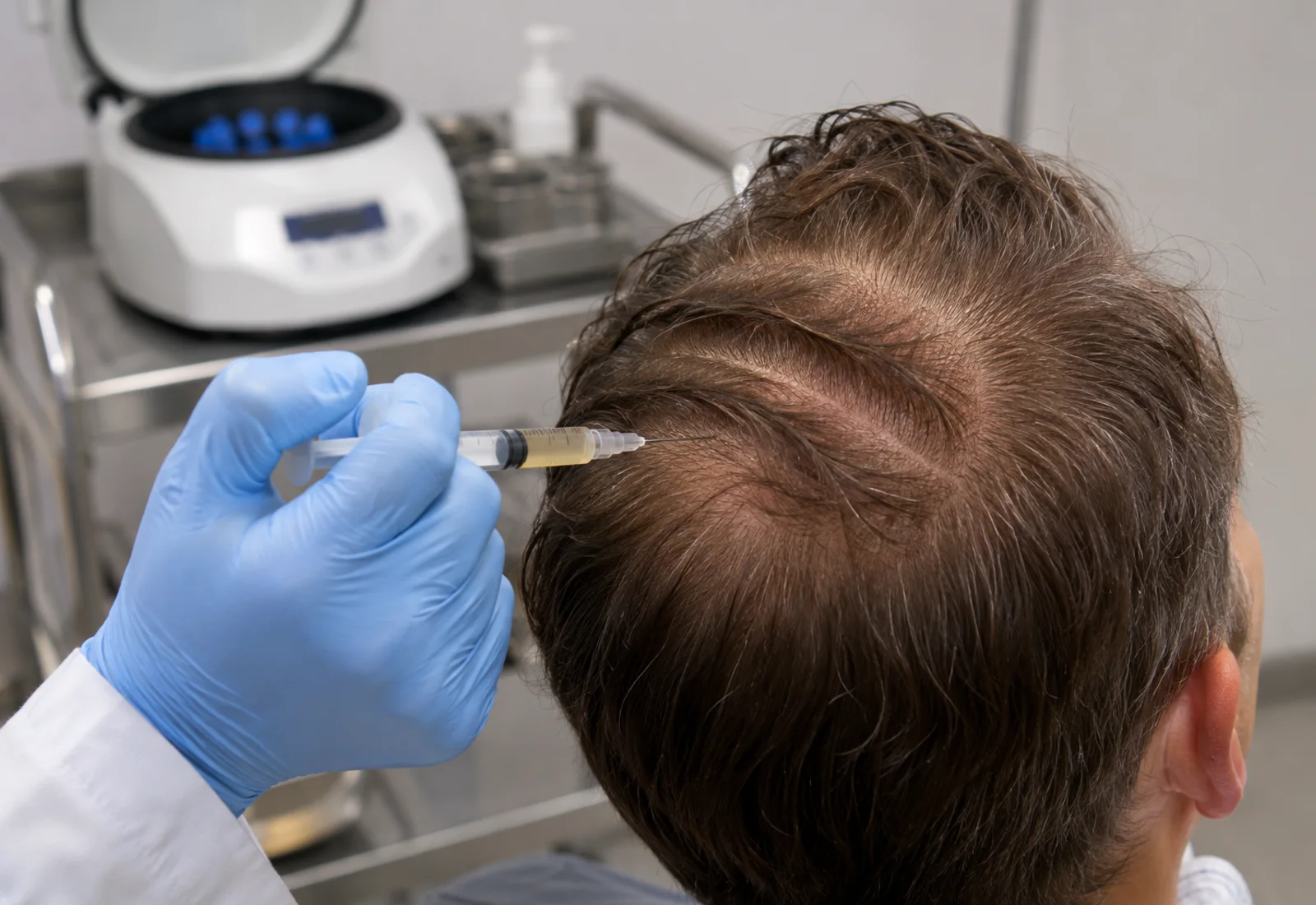
Hair count and hair density are different measures, and a quote that promises one may not deliver the other. Here is what two published analyses report.
The count finding
A PMC-hosted analysis reports that it could not demonstrate that PRP treatment significantly increased overall hair count.
That is a plain negative on one measure. It is not a verdict on PRP as a whole.
The density finding
A second PMC-hosted analysis reports that highly heterogeneous studies with publication bias suggest PRP effectively increases hair density in AGA, so further high-quality randomized clinical trials are recommended to strengthen the evidence.
Read that carefully. It supports density, it flags that the studies differ widely and that publication bias is present, and it asks for better trials.
What to ask for in an itemized quote
Ask the clinic which measure it will use to judge your result and when it will check it. If a quote promises more hair, ask whether that means count or density. The answer on PRP and hair density in women covers the density side, and the answer on typical session counts shows how sessions drive the total.
Background reading: Healthline on PRP for hair loss, MedlinePlus on hair loss, the Cleveland Clinic page on PRP therapy and a JDDonline review of PRP across the alopecias.
The numbers-first read
One analysis could not show a gain in overall count, and another points to a gain in density. Pay for the measure the clinic can name. Clinics across Northern New Jersey can all be asked the same count-or-density question.